Falling in Love with Letters: Creating Joyful Literacy Experiences at Simply Sunshine
This February, phonics early learning in Australia takes on a fresh twist at Simply Sunshine. When children connect letters to sounds through playful, love-themed activities, reading becomes more than a skill—it sparks curiosity and confidence. You’ll see how combining friendship and kindness with letter recognition preschool activities sets the stage for lasting literacy success. Learn more about the foundations of early literacy at PHONICS & LETTER RECOGNITION – Where reading begins.
Falling in Love with Phonics

February brings a perfect chance to mix learning with love. When children explore letters through heart shapes and friendship themes, they build reading skills without even knowing it. The magic happens as they play—making connections that last far beyond Valentine’s Day.
Love-Themed Learning Activities
Heart-shaped letter games make alphabet learning stick. Try matching uppercase and lowercase letters on paper hearts, or hunt for specific letters hidden among Valentine decorations. These simple games build letter recognition while keeping kids engaged through play.
When children sort conversation hearts by beginning sounds, they practice critical listening skills. “H is for heart” and “L is for love” create natural ways to connect letters with the sounds they make. This foundation sets them up for reading success later.
Want to take it further? Use heart cutouts to build simple three-letter words like “hug” or “pat.” Children place the hearts in sequence and sound out each letter, blending them together from left to right. This hands-on approach makes abstract concepts real for young learners.
Research shows that when learning feels personal and fun, children retain information better. Valentine’s themes tap into emotions that help cement these crucial literacy skills in place.
Creating Joyful Literacy Experiences
Joy fuels learning. When children associate letters with positive feelings, they develop a lasting interest in reading. Start by reading Valentine’s stories together, pointing out interesting letters or sounds as you go.
Make literacy a social experience by creating friendship cards. Ask “What letter does your friend’s name start with?” or “What sound do you hear at the beginning of ‘love’?” These natural questions build phonological awareness without feeling like work.
The key is keeping interactions relaxed and pressure-free. Let children experiment with writing “love notes” without worrying about perfect spelling. This early writing builds confidence and helps them see themselves as communicators.
Remember that laughter and connection matter more than correctness at this stage. When children feel safe to try, make mistakes, and try again, they build the resilience needed for literacy learning.
The Australian Approach to Phonics
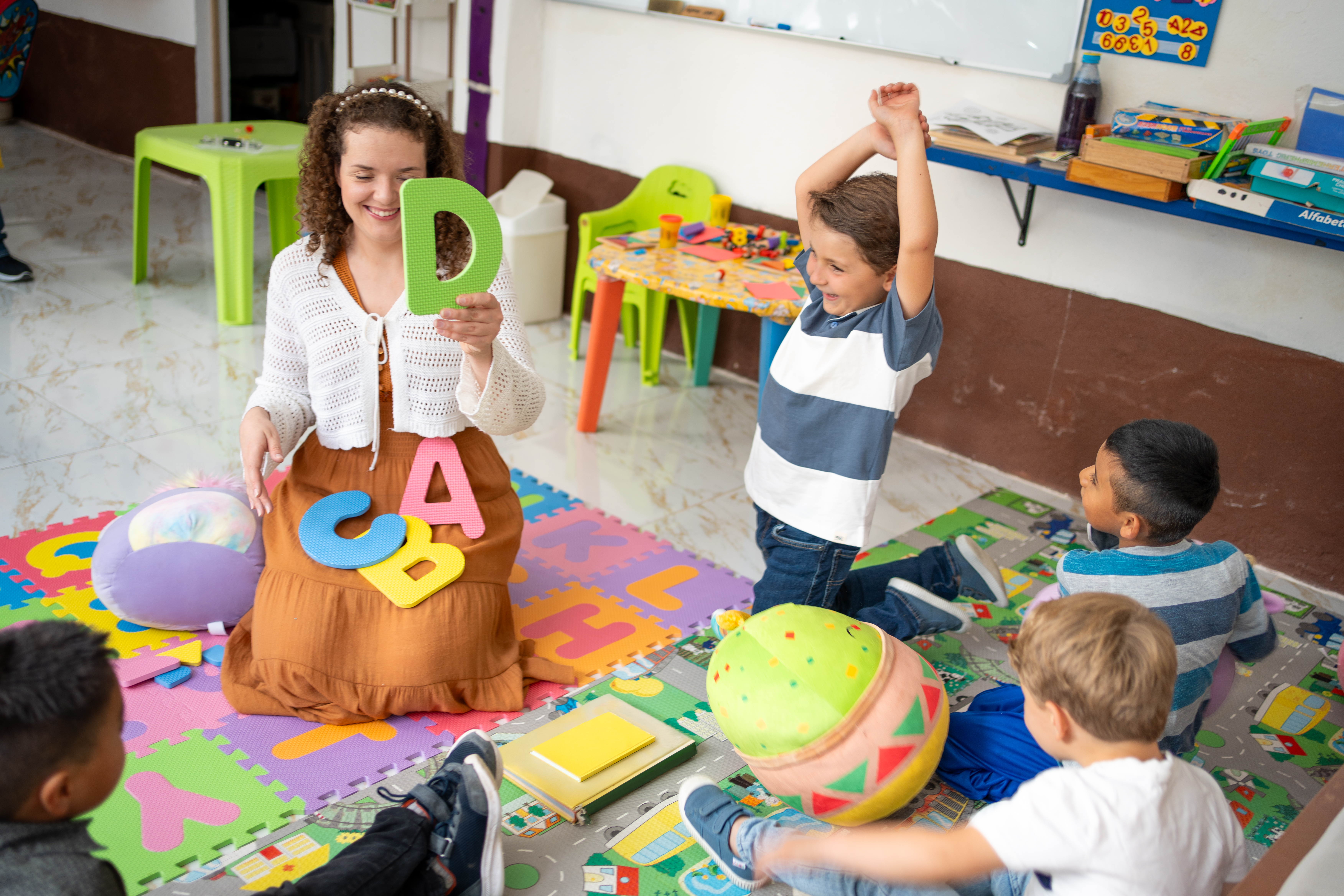
Australian early childhood education balances structure with play. The Early Years Learning Framework guides educators to teach letters and sounds through meaningful contexts rather than isolated drills. This approach honours each child’s development while building essential skills.
Play-Based Phonics Instruction
Play sits at the heart of Australian phonics teaching. Children learn best when they’re active participants, not passive listeners. Think scavenger hunts for objects that start with a target sound, or fishing games where children “catch” letters and name them.
Research from the Teaching Phonics and Vocabulary Through Children’s Literature shows that embedding phonics in storybook reading creates deeper understanding. When you read together, pause to notice interesting letters or patterns on the page.
Sand trays for letter tracing, playdough for forming letters, and movement games where children “become” letters with their bodies all engage different learning styles. This multi-sensory approach helps information stick.
The beauty of play-based learning is how it meets each child where they are. Some children will notice letter patterns quickly, while others need more time, and that’s perfectly okay. Play creates space for all developmental stages.
Intentional Teaching Methods
Effective phonics instruction balances spontaneous learning with planned teaching moments. Australian educators look for natural opportunities to highlight letters and sounds during everyday activities. When making playdough, you might say, “Playdough starts with the /p/ sound. What letter makes that sound?”
Short, focused activities work best for young attention spans. Five minutes of letter matching followed by free play often proves more effective than longer lessons. The goal is quality interaction, not quantity of time.
Australian phonics teaching often follows a sequence: beginning with letter recognition, then moving to letter-sound relationships, and finally blending sounds to read words. This progression builds on children’s growing skills.
Sunshine Books Series exemplifies this approach with carefully sequenced readers that help children practice specific sounds. These books provide just the right challenge at each stage of development.
Supporting Literacy at Home

Parents play a crucial role in early literacy development. The good news? You don’t need special training or expensive materials. Simple, everyday interactions build reading readiness in powerful ways.
Engaging with Letters and Sounds
Make letter learning part of daily routines. Point out letters on cereal boxes, street signs, or shop names. “Look, there’s the ‘S’ from your name on that sign!” These casual observations help children see that print carries meaning.
Play sound games during car rides or waiting times. “I spy something that starts with /b/.” This trains children’s ears to notice beginning sounds—a key phonics skill. Keep it light and fun, not like a test.
Read together every day, even if just for five minutes. Run your finger under the words sometimes to show how print flows from left to right. Stop to notice interesting letters or words that appear often.
Sing alphabet songs and rhymes that play with sounds. “Willaby Wallaby Woo, an elephant sat on you. Willaby Wallaby Wee, an elephant sat on me.” These word games build phonological awareness through play.
Encouraging Emergent Writing
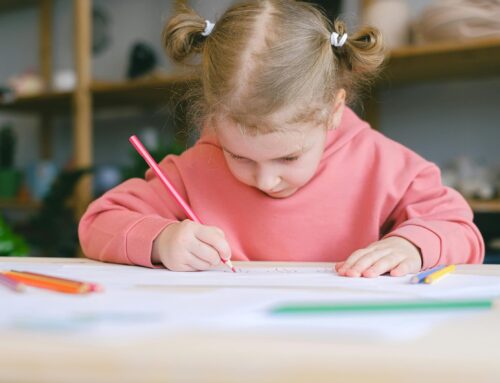
Set up a writing station with paper, markers, and stickers. Let children “write” messages their own way—even if it looks like scribbles. This early attempt at writing builds hand muscles and helps them see themselves as writers.
Value all attempts at writing, from random marks to letter-like shapes to conventional spelling. Each stage shows growth in understanding how writing works.
Ask your child to “read” their writing to you. This connects the marks they make with the messages they want to share—the heart of literacy. Show interest in their ideas rather than focusing on correctness.
Create real reasons for writing: shopping lists, birthday cards, or notes to family members. When writing serves a purpose, children see its power. “Let’s write down what we need at the store so we don’t forget.”
Visit Simply Sunshine to discover how early childhood educators create literacy-rich environments where every child develops as a confident communicator.
The journey to reading begins with joyful experiences around letters and sounds. By combining love-themed activities with intentional teaching, both educators and parents can set children on the path to literacy success. Remember that your enthusiasm for letters, words and stories might be the most powerful teaching tool of all.