Preparing for Prep: Essential School Readiness Tips for Queensland Families
Starting primary school isn’t just about ticking off Queensland’s age rules; it’s about helping your child feel ready in every way. You want to see them confident, curious, and able to manage new routines and friendships. This guide shares practical school readiness tips you can use right now to support your child’s transition and set them up for success in Prep and beyond. For more information on Queensland’s school entry requirements, visit the Queensland Government’s guide to preparing for Prep.
Understanding School Readiness

School readiness goes beyond knowing the ABCs and 123s. It’s about your child’s complete development – from making friends to tying shoes. When you understand what true readiness looks like, you can better support your child’s journey to Prep.
Key Queensland Requirements
In Queensland, children must be 5 by June 30th in the year they start Prep. But age is just one part of the equation.
The formal requirements are straightforward – your child needs to be the right age, and you’ll need to complete the enrollment process. What’s less obvious is how much flexibility exists within the system. If your child has a birthday close to the cutoff date, you can choose to wait another year if you feel they need more time to develop.
Many parents worry about academic readiness, but schools expect a wide range of abilities when children start. Teachers are trained to meet children where they are. What matters most is your child’s ability to function in a classroom environment.
Remember that Queensland’s Prep year is designed as a transition year. The curriculum allows for different starting points and developmental stages. Trust your instincts about your child’s readiness – you know them best.
Holistic Development Focus
True school readiness spans five key areas that work together to help your child thrive.
Physical readiness includes both fine motor skills (holding pencils, using scissors) and gross motor skills (running, jumping). A child who can sit upright for 10-15 minutes and manage their own bathroom needs will feel more comfortable at school.
Emotional readiness means your child can separate from you without major distress and recover from small upsets. Children who can name basic feelings and ask for help when needed adjust better to classroom life.
Social skills allow children to take turns, share resources, and work alongside others. These skills matter more than knowing how to read or write before starting school.
Cognitive readiness involves basic problem-solving, following two-step directions, and showing curiosity about the world. This builds the foundation for academic learning.
Language development supports everything else. Children need to understand instructions and express their needs clearly to function well in a classroom with 20+ other children.
Essential School Readiness Skills

The skills that truly matter for school success might surprise you. Teachers consistently report that social-emotional skills and independence matter more than academic knowledge when children start school.
Developing Social and Emotional Skills
Children who can make friends and manage feelings adapt more quickly to school life than those who struggle socially.
Basic friendship skills start with simple interactions – taking turns, sharing toys, and asking to join games. You can build these skills by arranging playdates with different children, not just familiar friends. Watch how your child handles conflicts and guide them toward using words instead of actions when upset.
Emotional regulation – the ability to calm down after disappointment – ranks high on teachers’ readiness lists. Help your child name feelings: “You seem frustrated with that puzzle.” Then suggest strategies: “Would taking a deep breath help?” or “Maybe we can try a different approach.”
School brings many new situations. Children who can separate from parents without major distress have an easier transition. Practice short separations before school starts. Leave your child with trusted adults and return when promised to build confidence in your return.
Self-confidence plays a huge role in school success. Encourage your child to try new things and praise their efforts, not just results: “You kept trying even when it was hard!”
Building Communication and Language Skills
Clear communication forms the foundation for learning and making friends at school.
Children need to understand and follow directions to function in a classroom. Practice giving two-step instructions at home: “Please put your shoes away and then wash your hands.” Resist repeating yourself – this builds listening skills.
Speaking clearly enough for others to understand is crucial. If you notice your child struggles to be understood by unfamiliar adults, consider a speech assessment before school starts.
Conversation skills develop through practice. Take turns talking at dinner or in the car. Ask open-ended questions: “What was the best part of your day?” rather than yes/no questions.
Book discussions build comprehension skills needed for school. After reading stories, ask what might happen next or how characters might feel. This teaches children to think beyond the words on the page.
Basic questioning helps children get help when needed. Teach phrases like “I don’t understand” or “Can you help me with this?” These simple tools help children advocate for themselves at school.
Fostering Independence in Children
Self-help skills rank among the top concerns for Prep teachers. When your child can manage personal needs, they can focus on learning.
Toilet independence means being able to handle the entire bathroom routine alone – from recognising the need to go to washing hands afterwards. School bathrooms differ from home, so practice using public restrooms before school starts.
Dressing skills save precious learning time. Focus on buttons, zippers, and shoe fastening. Make it fun: time how quickly they can put on their jacket or turn clothing items right-side-out.
Lunchbox management prevents hungry kids and food waste. Buy the lunch containers you’ll use for school now and practice opening/closing them. Many children struggle with yogurt containers, plastic wrap, and drink bottles.
Personal organisation helps children keep track of their belongings. Create simple systems at home: “Shoes go here, bag goes there.” Label your child’s items and teach them to recognise their name in print.
Problem-solving builds resilience. When your child faces a challenge, resist fixing it immediately. Ask: “What could you try?” or “What worked last time?” This builds the confidence to tackle problems at school.
Practical Tips for School Transition
The months before school start offer perfect opportunities to build school-ready habits through everyday activities.
Establishing Predictable Routines
Consistent routines help children feel secure and know what to expect each day.
Morning routines become especially important for school success. Create a visual chart showing each step: wake up, toilet, dress, breakfast, teeth, bag, and go. Practice following this sequence during the weeks before school starts.
Sleep patterns need adjustment before school begins. Many children need to shift to earlier bedtimes and wake times. Start this transition gradually, moving bedtime earlier by 10-15 minutes each week until you reach the school-night target.
Transition warnings help children move between activities more smoothly. Use simple phrases like “Five more minutes until pack-up time” or “After this story, we’ll get ready for bed.” This prepares children for the many transitions in a school day.
Meal routines that match school timing help prevent hunger meltdowns. If your child typically snacks throughout the day, start shifting to more defined meal and snack times that align with school breaks.
Weekend practice runs can ease first-day jitters. Get dressed in school clothes, pack the lunch and bag, and drive or walk the route to school. This makes the unfamiliar become familiar before the big day arrives.
Encouraging Early Literacy and Numeracy
Simple everyday activities build the foundation for reading, writing and math success.
Reading together daily builds vocabulary and comprehension. Make it interactive by asking questions about the pictures or the story. Point out how books work – reading from left to right, turning pages one at a time.
Letter awareness develops naturally when you point out letters in your child’s name on signs or packages. Focus on letter sounds rather than just names: “Look, ‘snake’ starts with the ‘sss’ sound!”
Counting opportunities exist everywhere. Count stairs as you climb them, plates as you set the table, or toys as you put them away. This builds number sense naturally.
Shapes and patterns form the foundation for geometry. Point out shapes in your environment: “That stop sign is an octagon with eight sides.” Look for patterns in clothing, buildings, or nature.
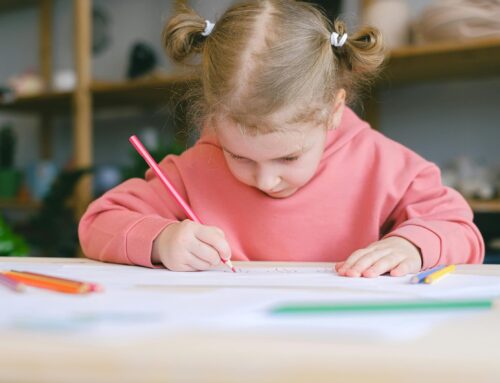
Writing readiness starts with drawing and scribbling. Provide different writing tools – thick crayons, markers, chalk – and celebrate all attempts. Focus on the joy of creating marks rather than perfect letter formation.
Supporting Healthy Habits for School Success
Physical well-being directly impacts learning readiness. These practical habits set the stage for school success.
Sleep requirements for school-aged children average 10-12 hours nightly. Consistent bedtime routines help ensure quality sleep. Create a calming sequence: bath, pyjamas, teeth, story, lights out.
Nutritious meals fuel brain development and learning. Involve your child in preparing simple, healthy snacks they can manage independently. Practice opening and closing lunch containers they’ll use at school.
Physical activity improves focus and learning. Aim for at least 60 minutes of active play daily. This builds strength and coordination while burning energy that might otherwise lead to classroom fidgeting.
Screen time limits become especially important before school starts. Excessive screen time can affect sleep, attention span, and social skills. Create tech-free zones and times in your home, especially in the hour before bedtime.
Handwashing habits prevent illness and missed school days. Teach proper technique: wet, soap, scrub for 20 seconds (singing “Happy Birthday” twice), rinse, dry. Make it a routine before eating and after using the bathroom.
School readiness doesn’t happen overnight, but with consistent practice of these skills and habits, your child will build confidence for their school journey. Remember that each child develops at their own pace – focus on progress, not perfection. The goal is a smooth, positive start to your child’s education adventure.
For more detailed guidance on preparing your child for school, check out this comprehensive school readiness checklist from Families Magazine. With thoughtful preparation and patience, you’ll help your child start school with confidence and enthusiasm.
Additional Resources for Families
For more information about school readiness and preparing your child for primary school, visit:
Supporting Your Child’s Journey to School
You only get one chance at making an easy and successful school entry – throw everything you have at it to create a positive ‘love school’ attitude in the early days.
Remember, school readiness develops gradually through everyday experiences, supportive relationships, and plenty of opportunities to practise new skills. At Simply Sunshine Early Education, we’re committed to working alongside families to ensure every child feels confident, capable, and excited about their transition to primary school.
The journey to school starts long before Prep, and we’re here to support your family every step of the way. For more information about our programs and how we prepare children for primary school success, visit our website or contact us at 19 Griffin Street, Moranbah 4744.
Starting school is a significant milestone, but with preparation, patience, and positive partnerships between home and early learning centres, we can ensure every child begins their formal education with confidence and joy.