Understanding UV Protection: Keeping Your Little Ones Safe Outdoors
Queensland’s sun doesn’t take a break, and neither should your sun safety plans for the kids. Many families think temperature tells the full story, but UV radiation is the real risk, even on cloudy days. This guide covers everything you need to keep your little ones safe, hydrated, and happy during outdoor play this Queensland summer.
Understanding UV Protection
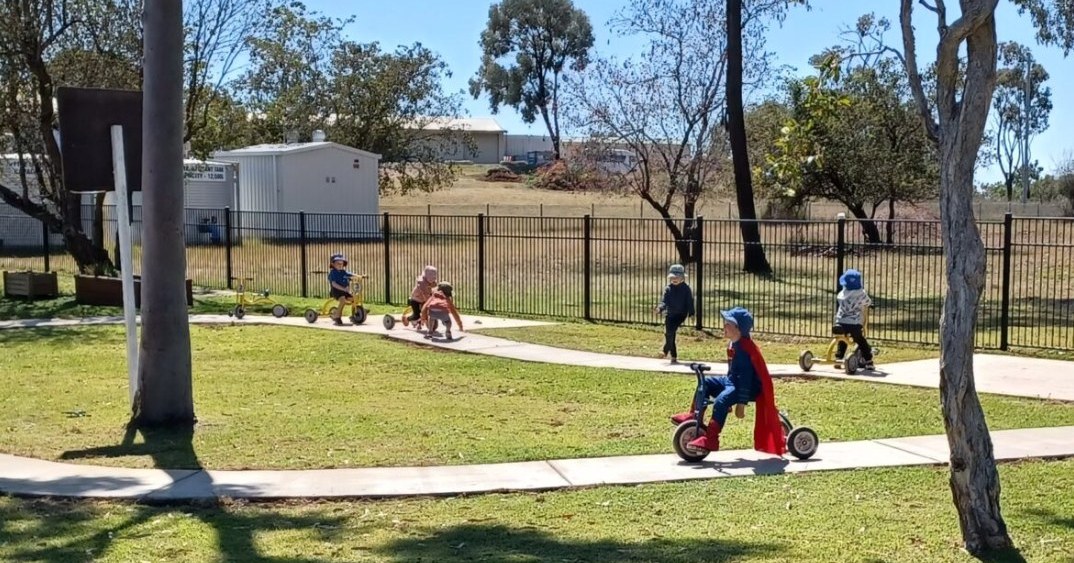
UV rays affect your child’s skin whether it’s hot or not. The invisible nature of UV radiation makes it tricky for parents to know when protection is needed, which is why understanding it matters so much for your family’s health.
The Importance of UV Awareness
Did you know your child can get sunburned in as little as 15 minutes on a Queensland summer day? UV radiation damages skin cells even when the air feels cool or clouds fill the sky.
Children’s skin is much more sensitive than adult skin. Their skin cells are still developing, making them extra vulnerable to UV damage. What’s more, sunburns during childhood dramatically increase the risk of skin cancer later in life.
UV rays come in different forms – UVA and UVB. UVA rays cause aging and wrinkles, while UVB rays cause burning. Both types damage skin cells and can lead to skin cancer.
A common myth is that dark skin doesn’t need sun protection. The truth? All skin types need protection from UV rays. While darker skin has more natural protection, it can still burn and sustain damage.
Sun Protection Time Essentials
The UV Index tells you when sun protection is needed, not the temperature or brightness outside. In Queensland, the UV Index often reaches 3 or higher year-round, meaning sun protection is almost always necessary.
Peak UV times typically fall between 10 am and 3 pm. During these hours, try to plan indoor activities or seek deep shade for your little ones. The SunSmart app offers real-time UV readings for your exact location, making it easier to plan your day.
Morning and late afternoon are ideal for outdoor play. Before 10 am and after 3 pm, UV levels drop significantly, creating safer conditions for your children to enjoy the outdoors.
Remember that UV rays can bounce off surfaces. Sand reflects up to 25% of UV radiation, while snow can reflect up to 80%. Even when your child plays under a tree, reflected UV can reach their skin from nearby surfaces.
Five Essentials of Sun Safety
The best approach to sun safety combines multiple strategies. No single method—not even sunscreen alone- provides complete protection for your child’s delicate skin.
Slip, Slop, Slap Basics
“Slip, Slop, Slap” remains the golden rule of sun protection for kids. First, slip on protective clothing that covers as much skin as possible. Look for tightly-woven fabrics that block UV rays; if you can see light through the fabric, UV rays can pass through too.
Next, slop on sunscreen. Choose SPF 30+ or higher and make sure it’s broad-spectrum and water-resistant. Apply sunscreen 20 minutes before going outside, and reapply every two hours, more often if swimming or sweating. Most parents miss spots like ears, backs of necks, and tops of feet; pay extra attention to these areas.
Then, slap on a hat. The best hats for kids have wide brims (at least 7.5 cm) that shade the face, neck, and ears. Bucket hats work well for active kids because they stay on better during play.
For babies under 6 months, focus on keeping them in the shade and covered with lightweight clothing rather than using sunscreen. Their skin is too sensitive for most sun protection products.
Water Safety: Essential Tips for Beach and Pool Days
Drowning remains one of the leading causes of death for Australian children under five, and it can happen quickly and silently in as little as a few centimetres of water.
Active Supervision is Critical
Close adult supervision at all times is key to drowning prevention around dams, ponds, swimming pools, beaches and lakes. This means:
-
Keeping children within arm’s reach, especially those under 5 years old
-
Maintaining constant visual contact without distractions like mobile phones
-
Never relying on older children to supervise younger ones
-
Designating a specific adult as the “water watcher” during gatherings
Beach Safety Guidelines
When visiting Queensland’s beautiful beaches:
-
Always swim between the red and yellow flags where lifeguards and surf lifesavers are on duty
-
Watch the water for at least five minutes before entering to observe conditions
-
Teach children that if they get into trouble, they should stay calm, float, and raise one arm to signal for help
-
Avoid creek and river mouths when there’s large surf, as currents are often stronger in these areas
Understanding Rip Currents
Rips are formed when water that has come into the beach escapes back out to sea at speed, often appearing darker and calmer because they’re deeper with no breaking waves. If caught in a rip:
-
Stay calm and float to conserve energy
-
Raise one hand for help
-
Never try to swim against the rip
Pool Safety at Home
If you have a backyard pool:
-
Ensure fencing complies with Australian Standard AS1926
-
Check that the safety latches on the gates work properly
-
Remove any objects near fences that children could climb
-
Empty wading pools immediately after use
-
Learn CPR and keep skills updated annually
Visit Royal Life Saving Australia for comprehensive water safety resources and CPR courses.
Staying Hydrated in the Queensland Heat
Babies and young children are more susceptible to heat-related illness than adults because their bodies cannot easily adapt to changing temperatures. The younger the child, the quicker they’ll show signs of dehydration or heat stress.
How Much Water Do Children Need?
Children aged 5-8 years should aim to drink 1 litre of water per day, children aged 9-12 years need 1.5 litres per day, and teenagers need 2 litres per day.
Hydration Strategies
-
Ensure easy access to plain water throughout the day
-
Encourage children to drink before they feel thirsty
-
If breastfeeding, feed more often and increase your own water intake
-
Give bottle-fed babies cool, boiled water between feeds
-
Offer water-rich foods like watermelon, grapes, cucumber, and berries
-
Provide children with their own reusable water bottles
-
Set regular water break reminders during outdoor play
At Simply Sunshine, we promote hydration through regular water breaks, offering water with every meal, and closely monitoring each child’s water intake to keep them healthy and comfortable.
Recognising Dehydration and Heat Illness
Watch for these warning signs:
-
Increased thirst
-
Dry mouth and lips
-
Dark-coloured urine
-
Reduced wet nappies
-
Lethargy or unusual tiredness
-
Dizziness or headaches
-
Irritability
If your child shows signs of severe dehydration or heat illness, move them to a cool place, remove excess clothing, offer water or electrolyte drinks, and contact your doctor immediately.
Creating a Summer Safety Routine
At Simply Sunshine Early Education, we integrate these safety practices into our daily routines:
-
Morning preparation: Applying sunscreen before outdoor play
-
Regular checks: Monitoring children’s clothing, hats, and shade positioning
-
Hydration stations: Easy access to fresh water throughout our indoor and outdoor environments
-
Timing outdoor play: Scheduling activities during cooler parts of the day when possible
-
Educator role modelling: Demonstrating sun-safe behaviours
We encourage families to establish similar routines at home. Children copy what adults do, so if you take sun safety precautions yourself, your child is more likely to follow.
Additional Summer Safety Resources
For more information on keeping your children safe this summer, visit:
Your Partner in Child Safety
At Simply Sunshine Early Education, located at 19 Griffin Street, Moranbah, safety is our top priority. Our team of compassionate educators pride themselves on creating environments where children can explore, learn, and play safely throughout all seasons.
We understand the unique challenges of the Queensland climate and have designed our nature-inspired outdoor spaces with plenty of shade, implemented comprehensive sun protection policies, and continuously educate both children and families about staying safe in summer.
For more information about our centre and our approach to children’s health, safety, and wellbeing, visit our website or contact us directly.
Remember: A summer of sun-safe, water-wise habits sets the foundation for a lifetime of healthy choices. Let’s work together to keep our little ones safe whilst they explore and enjoy the wonderful Queensland outdoors!
Keywords: sun safety, UV radiation, sunscreen, sun protection, water safety, drowning prevention, rip currents, hydration, dehydration, heat illness, broad-brimmed hat, SPF 50+, ultraviolet protection factor, swimming supervision, red and yellow flags