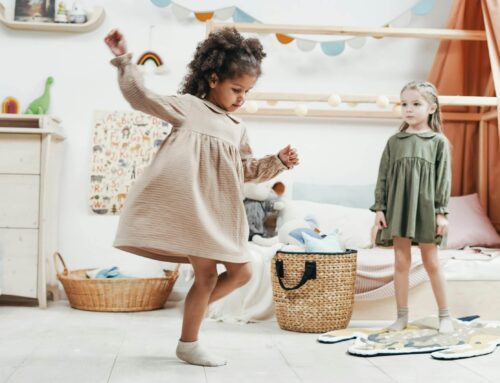
In our increasingly structured world, where children’s schedules are often packed with organised activities and educational programmes, the simple joy of unstructured play can sometimes be overlooked. At Simply Sunshine Early Learning, we understand that some of the most valuable learning happens when children are free to explore, create, and play on their own terms. Today, we’re exploring why unstructured playtime at home is not just beneficial—it’s essential for your child’s healthy development.
What is Unstructured Play?
Unstructured play, also known as free play, is a child-led activity that occurs without adult direction or specific rules. It’s the kind of play where children use their imagination, make their own decisions about what to do and how to do it, and follow their natural curiosity. Whether it’s building fort with couch cushions, creating stories with toys, or simply exploring the backyard, unstructured play gives children the freedom to be truly creative.
This type of play differs significantly from structured activities like organised sports, formal lessons, or guided educational games. Whilst these structured activities certainly have their place in child development, unstructured play offers unique benefits that cannot be replicated in more formal settings.

The Cognitive Benefits of Free Play
Enhances Problem-Solving Skills
When children engage in unstructured play, they constantly encounter situations that require creative problem-solving. Whether they’re figuring out how to build a tower that won’t fall down or negotiating roles in an imaginative game with siblings, they’re developing critical thinking skills naturally.
Research consistently shows that children who have regular opportunities for free play demonstrate improved cognitive flexibility—the ability to switch between different concepts or adapt their thinking when faced with new situations. This skill is fundamental for academic success and lifelong learning.
Boosts Creativity and Imagination
Unstructured playtime is where creativity truly flourishes. Without predetermined outcomes or adult expectations, children are free to let their imaginations run wild. A cardboard box becomes a spaceship, a stick transforms into a magic wand, and the living room floor turns into a vast ocean filled with adventures.
This imaginative play is crucial for developing abstract thinking skills that will serve children well in subjects like mathematics, science, and literature as they progress through their education.
Improves Executive Function
Executive function encompasses skills like working memory, flexible thinking, and self-control—all essential for learning and development. Unstructured play naturally exercises these skills as children plan their activities, remember complex game rules they’ve created, and adapt their play as situations change.
Social and Emotional Development Through Play
Builds Independence and Confidence
When children direct their own play, they develop a sense of autonomy and self-efficacy. They learn to trust their own ideas and capabilities, building confidence that extends beyond playtime into other areas of their lives.
At Simply Sunshine Early Learning, we’ve observed that children who have plenty of unstructured play experience tend to be more confident in new situations and better at independent decision-making.
Develops Social Skills Naturally
Unstructured play with siblings or friends provides countless opportunities for children to practice important social skills. They learn to negotiate, compromise, take turns, and resolve conflicts—all essential life skills that are difficult to teach through formal instruction but develop naturally through play.
Children also learn to read social cues, understand different perspectives, and develop empathy as they engage in imaginative scenarios with others.
Emotional Regulation and Stress Relief
Play is a child’s natural way of processing emotions and experiences. Through unstructured play, children can work through complex feelings, practise different emotional responses, and develop healthy coping mechanisms.
The Queensland Government’s Department of Education recognises that play-based learning is fundamental to early childhood development, supporting emotional well-being and resilience in young children.
Physical Development Benefits
Gross Motor Skills
Unstructured outdoor play naturally encourages physical activity and the development of gross motor skills. Whether children are running, jumping, climbing, or riding bikes, they’re building strength, coordination, and balance without it feeling like exercise.
Fine Motor Skills
Indoor unstructured play often involves activities that develop fine motor skills—drawing, building with blocks, playing with playdough, or manipulating small objects. These activities strengthen the small muscles in hands and fingers that are essential for writing and other academic tasks.
Creating the Right Environment for Unstructured Play at Home
Indoor Play Spaces
Creating an environment that encourages unstructured play doesn’t require expensive toys or elaborate setups. Some of the best play materials are simple, open-ended items that can be used in multiple ways:
- Building blocks or cardboard boxes
- Art supplies like paper, crayons, and play-dough
- Dress-up clothes and props
- Books and storytelling materials
- Simple household items that can be safely explored
The key is to provide materials that spark imagination rather than dictate specific ways to play. Our early learning programmes emphasise the importance of open-ended materials that grow with children’s developing abilities.
Outdoor Exploration
Queensland’s beautiful climate provides excellent opportunities for outdoor unstructured play. Creating an outdoor space where children can safely explore, dig in the dirt, collect natural materials, or simply observe nature can provide hours of meaningful play experiences.
The Queensland Government’s Nature Play Queensland initiative encourages families to embrace outdoor play as a vital component of child development, promoting both physical activity and connection with the natural environment.
Screen Time Balance
Whilst technology has its place in modern life, it’s important to balance screen time with opportunities for real-world, hands-on play. The Australian Government’s Department of Health provides guidelines for screen time that can help families maintain healthy boundaries whilst ensuring plenty of time for active play.
Supporting Your Child’s Unstructured Play
The Art of Stepping Back
One of the most important things parents can do to support unstructured play is to resist the urge to direct or correct. When children are engaged in free play, they’re learning through experimentation and discovery. Even when their methods seem inefficient or their creations don’t look “right,” they’re gaining valuable experience in problem-solving and creativity.
Providing Time and Space
In our busy world, it’s easy for children’s schedules to become over-programmed. Ensuring that children have regular blocks of unscheduled time is essential for their development. This might mean saying no to some activities or leaving some afternoons completely free.
Following Their Lead
Pay attention to your child’s interests and provide materials or opportunities that align with what naturally captures their attention. If they’re fascinated by bugs, provide magnifying glasses and field guides. If they love building, offer various construction materials.
Age-Appropriate Unstructured Play Ideas
Toddlers (18 months – 3 years)
- Sensory play with water, sand, or playdough
- Simple building activities with large blocks
- Exploration of safe household items
- Music and movement activities
- Basic pretend play with dolls or stuffed animals
Preschoolers (3-5 years)
- Complex building projects with various materials
- Elaborate pretend play scenarios
- Art and craft activities without specific outcomes
- Nature exploration and collection activities
- Beginning science experiments and observations
School-age children (5+ years)
- Independent reading and storytelling
- Complex building and engineering challenges
- Detailed art projects and creative writing
- Outdoor adventures and exploration
- Beginning to create their own games and activities
The Long-Term Benefits
Children who have regular opportunities for unstructured play often demonstrate better academic performance, improved social relationships, and greater emotional resilience throughout their school years. They tend to be more creative problem-solvers, better at working independently, and more confident in their abilities.
The Early Years Learning Framework, which guides early childhood education in Queensland, recognizes play as central to children’s learning and development, emphasizing its role in building the foundations for lifelong learning.
Conclusion
Unstructured playtime at home is not just fun—it’s fundamental to healthy child development. By providing opportunities for free play, parents are giving their children the gift of creativity, independence, and joy in learning that will serve them well throughout their lives.
At Simply Sunshine Early Learning, we believe in the power of play-based learning that respects children’s natural development processes. We encourage all families to embrace the beautiful chaos of unstructured play and trust in their children’s incredible capacity for learning through exploration and discovery.
Remember, the best thing you can do for your child’s development might just be to step back, provide some simple materials, and let them play. The learning that happens will be more valuable than any structured activity could provide.
For more information about supporting your child’s development through play, explore our educational resources or learn about our play-based learning approach at Simply Sunshine Early Learning. Together, we can nurture the natural joy and curiosity that drives meaningful learning.