Is Your Child Ready for Prep School? 10 Key Signs to Look Out For
You’ve ticked off the uniform, labelled every lunchbox, and packed the school bag. Yet, one question lingers: Is your child truly ready for prep school? At Simply Sunshine Early Learning in Moranbah, we see firsthand what it takes for children to step confidently into school life. It’s not just about ABCs or numbers—it’s about a mix of skills that help them thrive. Here are 10 signs that show your child is ready for this big step, and what you can do if they need a little more time. For more guidance on supporting your child’s transition to school, visit Australian Parenting Website.
Signs Your Child is Ready for Prep

The transition to prep school marks a major milestone in your child’s life. Being school-ready isn’t about academic skills alone—it’s about having the right mix of emotional, social, and practical abilities that set them up for success.
Emotional Independence
Your child can say goodbye without major tears or clinging. This doesn’t mean they never feel sad—brief moments of separation anxiety are normal—but they recover quickly and join activities.
Children who are emotionally ready can spend time away from you comfortably. They trust other adults like teachers and can form bonds with them. This trust helps them feel safe in new environments.
Practice builds this skill. Try short separations with trusted people before school starts. Create a quick, loving goodbye routine and stick to it. Remember—dragging out farewells often makes anxiety worse for both of you.
The key sign? Your child bounces back from goodbye moments and engages with their day. Children who master this skill adapt to classroom life much faster than those who struggle with separation.
Self-Care Skills
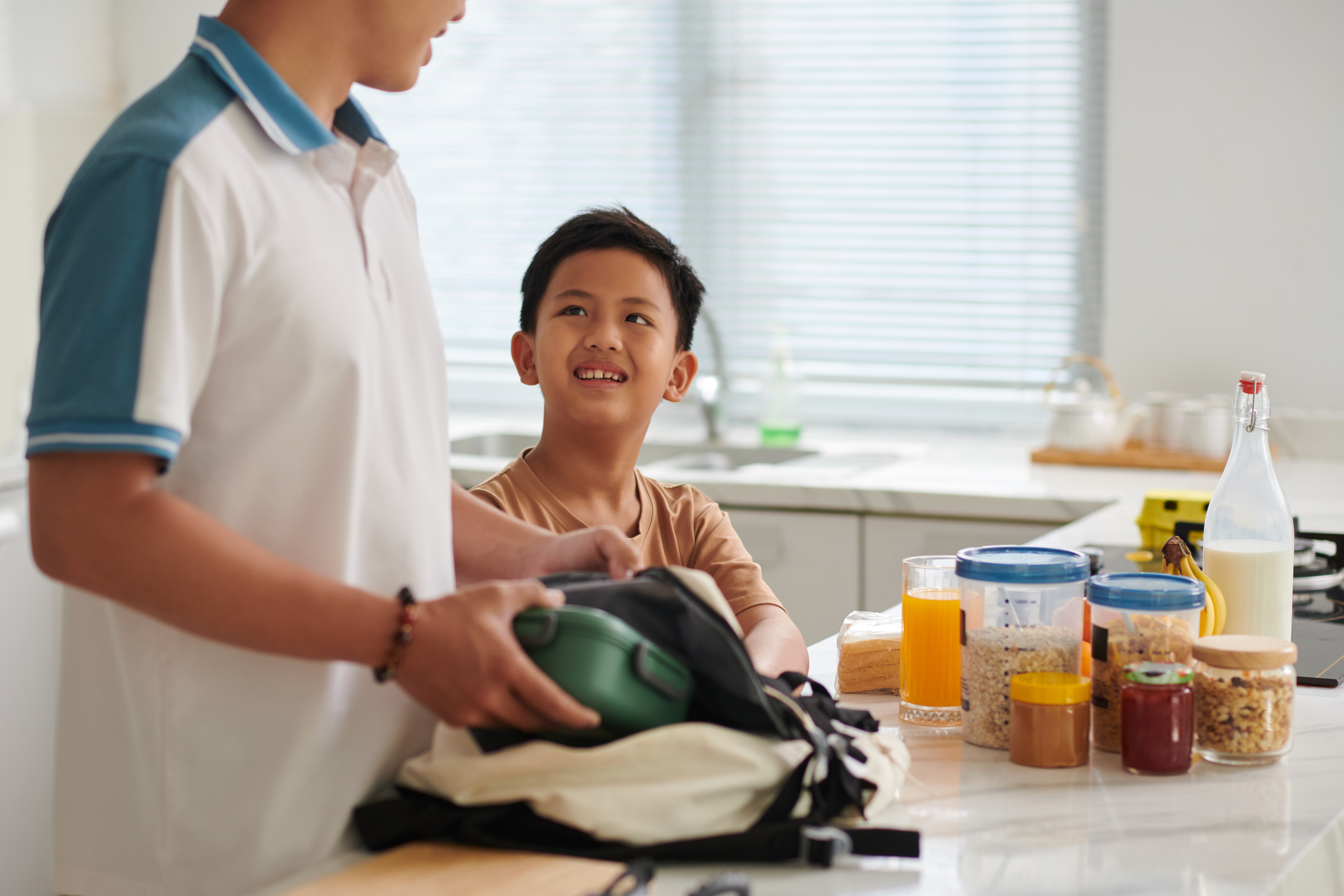
Can your child manage basic needs without constant help? In prep, teachers simply can’t assist 25 children with every personal task throughout the day.
Look for these practical signs: using the toilet independently (including wiping and hand washing), putting on and taking off jumpers, opening lunch containers, and managing their water bottle. These seemingly small tasks add up to big independence in the classroom.
Start practising now by stepping back at home. Let them dress themselves even when it takes longer. Use their actual school lunchbox for practice meals. Have them pack and unpack their backpack.
Remember: children who can handle these basics feel proud and capable at school. This confidence spills over into learning and social situations, creating a positive cycle of independence.
Developing Key Skills
Beyond emotional readiness and self-care, specific developmental skills create the foundation for successful learning in the classroom environment.
Following Instructions
The ability to listen and follow directions forms the backbone of classroom success. Your child needs to understand and remember multi-step instructions without constant reminders.
Try this test: ask your child to “put away your toys, wash your hands, and come to the table.” Can they complete all three steps without forgetting or needing extra prompts? This skill transfers directly to classroom tasks like “get out your book, turn to page five, and circle the pictures that start with B.”
Build this skill through games like Simon Says with increasingly complex directions. When giving instructions at home, wait before repeating yourself—give their brain time to process. Break down bigger tasks into smaller steps if needed.
The goal isn’t perfect compliance but developing working memory and listening skills. Children who master this before prep spend less energy figuring out what to do and more energy actually learning.
Emotional Regulation
School days bring ups and downs—not getting the first turn, making mistakes, waiting for help. Children need strategies to manage these feelings without major meltdowns.
Watch how your child handles frustration. Can they express feelings with words rather than hitting or screaming? Do they calm down within minutes rather than hours? Can they accept comfort and redirection?
Help build regulation by naming emotions: “You seem frustrated that puzzle is hard.” Teach simple calming strategies like deep breaths, counting to ten, or taking a break. Most importantly, model calm responses to your own frustrations.
Children with emotional regulation skills make friends more easily, participate more fully in class, and recover quickly from small disappointments. This resilience becomes their secret weapon for school success.
Navigating Social and Learning Environments
The social world of school presents new challenges and opportunities that require specific skills for successful navigation.
Social Interaction
The playground and classroom create a mini-society where your child must build relationships without your help. Strong social skills predict school success better than early academic knowledge.
Watch for these signs: Can your child take turns without major upset? Do they join group play without always needing to be the leader? Can they share materials and space with others? Do they show basic empathy when classmates are upset?
Build these skills through regular playdates where you step back and let children work through minor conflicts. Teach specific phrases like “Can I play too?” or “I’ll use this now and you can have it next.”
Children who enter prep with solid social skills make friends faster, experience less stress, and focus better on learning. Their positive social experiences create a sense of belonging that makes school a place they want to be.
Curiosity and Focus
Learning requires both interest in new ideas and the ability to pay attention long enough to absorb them. These twin traits—curiosity and focus—power school success.
Your child shows readiness when they ask questions about the world, show interest in books and stories, and can stick with activities for 10-15 minutes without constant redirection.
During group story time at preschool, can they listen and engage with the narrative? When drawing or building, do they complete projects rather than flitting between activities every minute?
Foster curiosity by answering “why” questions thoughtfully and exploring topics that capture their interest. Build attention spans by reading longer stories, doing puzzles together, and limiting background distractions during activities.
The best learners aren’t necessarily those who already know their letters and numbers—they’re the ones who want to know more and can focus long enough to learn it.
School readiness emerges from this constellation of skills—emotional, social, and cognitive. Most children show most of these signs by the time they’re ready for prep. If your child needs more time in some areas, that’s valuable information to guide your decisions.
At Simply Sunshine Early Learning, we partner with families to build these essential skills every day. We believe in supporting the whole child—because a child who feels capable, connected, and confident will thrive not just in prep, but throughout their educational journey.
For more expert guidance on school readiness, visit Early Childhood Australia or check the national quality framework information on school transitions at ACECQA.